

Advancing Aquaculture in Africa: Focus on Nigeria.
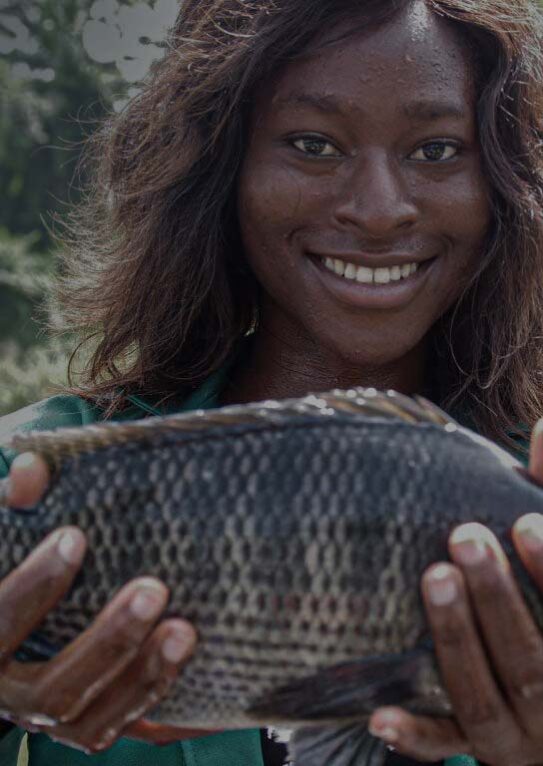
This project, supported by the Gates Foundation and managed by the Aquaculture and Aquatic Resources Management (AARM) Program of Asian Institute of Technology (AIT), Thailand, aims to transform aquaculture in Africa through innovative research and development approaches. The primary focus is to identify high-performing strains of Nile tilapia and African catfish, thereby improving productivity, farmer incomes and food security. This initiative will catalyze sustainable growth in African aquaculture while empowering women professionals in aquaculture education, research, and business.

Shaping the Future of Nigerian Aquaculture – Together
1
Improved Fish Strains for Higher Yields
2
Science-Based Risk Management for Sustainable Farming
3
Capacity Building for Farmers and Stakeholders
4
Support for Small-Scale and Women Farmers
5
Data-Driven Decision-Making for Policy and Investment
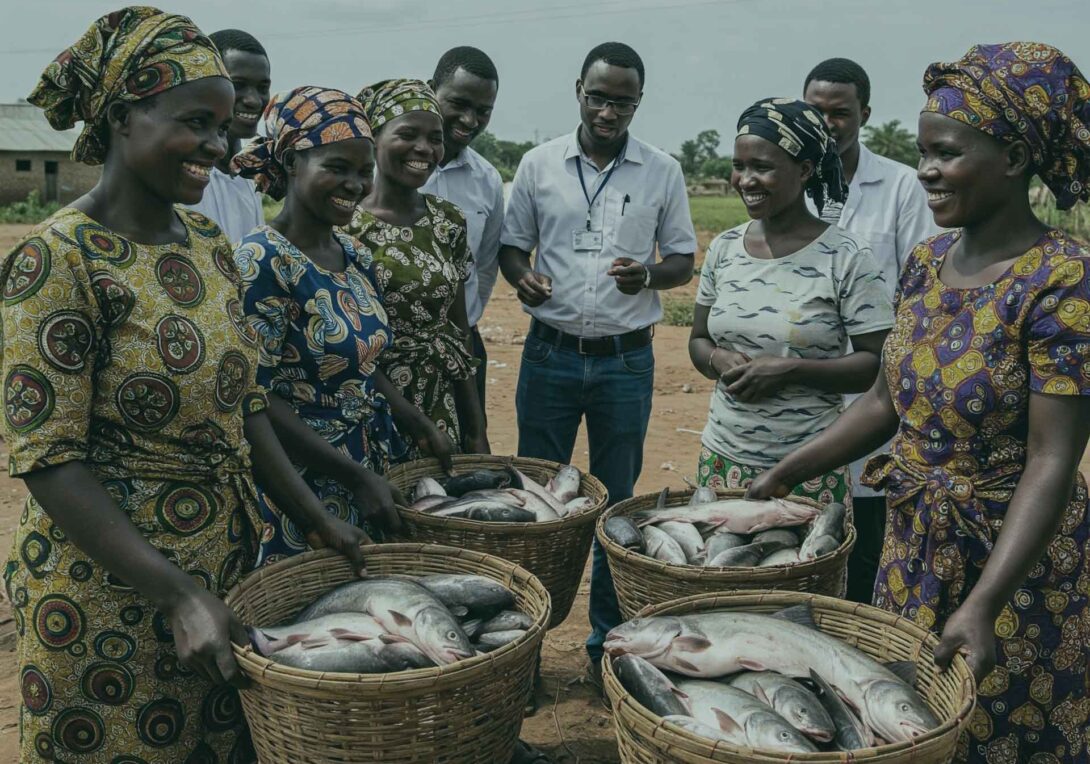
Aquaculture in Nigeria has a history dating back over 70 years. It began in the 1950s, with early government-led initiatives focused on fish farming for food security and rural development. The first fish farms were established to support inland fish production, particularly in response to declining capture fisheries. The industry has evolved significantly since then, especially from the 1980s onward, with increasing private sector participation, research on African catfish and tilapia, and the development of hatcheries, feed mills, and training programs. Today, Nigeria is the largest producer of farmed fish in Sub-Saharan Africa.
Nigeria’s Aquaculture Industry: A Dynamic Hub of Growth, Innovation, and Opportunity